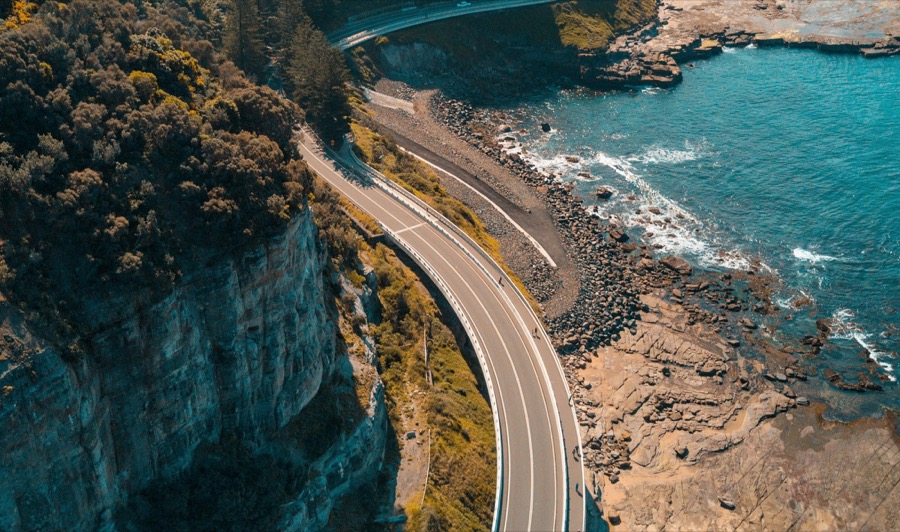
Road Notes / Issue 01
How to Plan a Food First Road Trip
The best food trips are planned just enough. Choose two meals that matter, leave room between them, and let the road tell you where to stop.
A road trip feels different when food helps shape the route instead of waiting as a reward at the end. You notice the farm stand before the scenic turnout. You arrive early enough to hear trays moving behind the bakery counter. Lunch becomes a paper bag opened on a windy bench, not another reservation squeezed into a crowded day.
The trick is not to build a longer list. Choose a rhythm instead. A satisfying day has one dependable beginning, one memorable finish and a generous middle where curiosity can do some work.
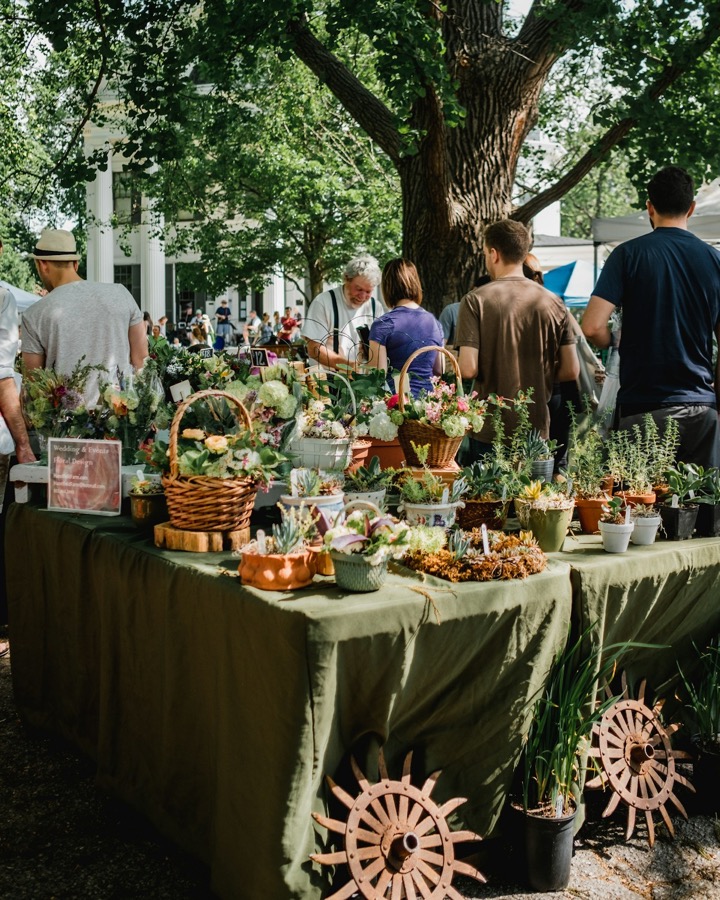
01 / Set the route
Start with two anchors, not twelve reservations
Choose a morning anchor and an evening anchor. The first might be a bakery that sells out early or a market that closes at noon. The second should be the meal you would be disappointed to miss. Put those two places on the map, confirm their current opening days, and study the road between them.
That middle stretch is where the day starts to feel personal. A handwritten produce sign, a harbor counter or a town square where every bench fills at noon can replace an ordinary stop without upsetting the plan.
Give each anchor one nearby backup, but do not turn the backup into another obligation. It is simply insurance for a surprise closure, a long line or a kitchen that has sold out.
- Pick one early stop that rewards arriving on time.
- Choose one evening meal worth planning around.
- Leave at least half the day unbooked.
02 / Read the day
Let each part of the route do a different job
Follow the ovens
Bakeries and coffee counters give the day an easy start. Buy one thing for now and one thing that travels well. A loaf, hand pie or savory pastry can rescue a delayed lunch.
Shop before you sit
A market picnic is flexible by design. Look for one ripe item, one salty item, bread and something cold to drink. Four good ingredients travel better than an ambitious spread.
Spend time, not stops
Make dinner the slow part of the day. Arrive without another destination hanging over the table. Ask what is especially good that night, then order for the place you are in rather than from the list you saved at home.
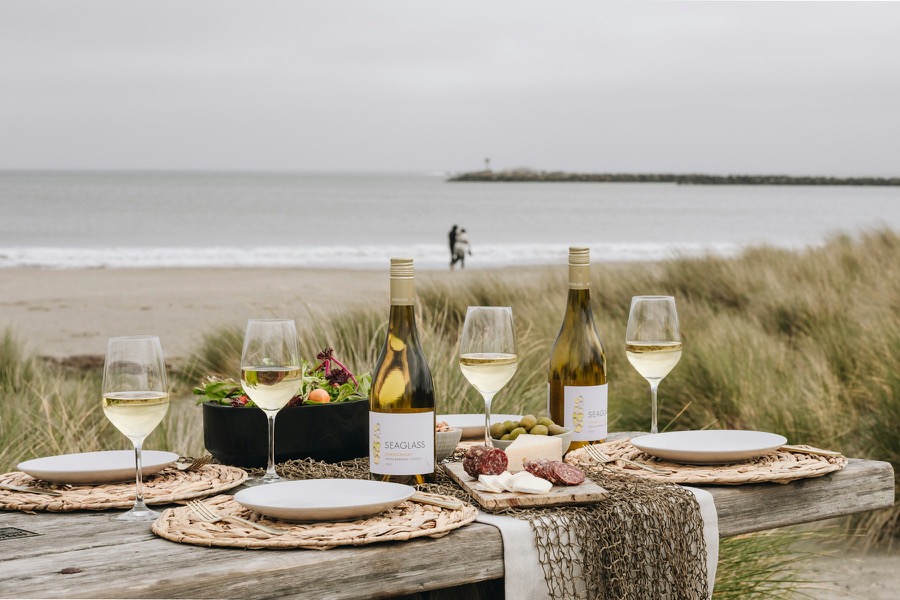
03 / A workable rhythm
A 36 hour route with room to wander
On the first afternoon, drive only far enough to feel that you have left the week behind. Stop for something small, check in and take a walk before dinner. A short first day keeps the main route from becoming a race.
The next morning belongs to the bakery and the market. Eat breakfast while it is fresh, then assemble lunch before the road gets busy. Drive the scenic stretch after that. When a viewpoint, trail or small town deserves another hour, you have one to give.
Plan dinner, but not the order. A printed menu can tell you the style of a kitchen; it cannot tell you which fish arrived that afternoon or which pie is cooling in the back. Let the person taking care of the table fill in the final details.
Build the route around time sensitive food, then give the landscape the rest of the clock.
04 / Know when to detour
The best stop usually gives you a reason beyond hunger
A worthwhile detour has a point of view. The bread is baked there. The produce came from nearby. The cook makes one regional dish exceptionally well. The room looks like it belongs to its street rather than being assembled for passing traffic.
Popularity can be useful, but specificity is better. A short menu, a seasonal chalkboard or a counter full of regulars tells you more than a wall of awards. When a place is busy, ask what moves quickly and order that.
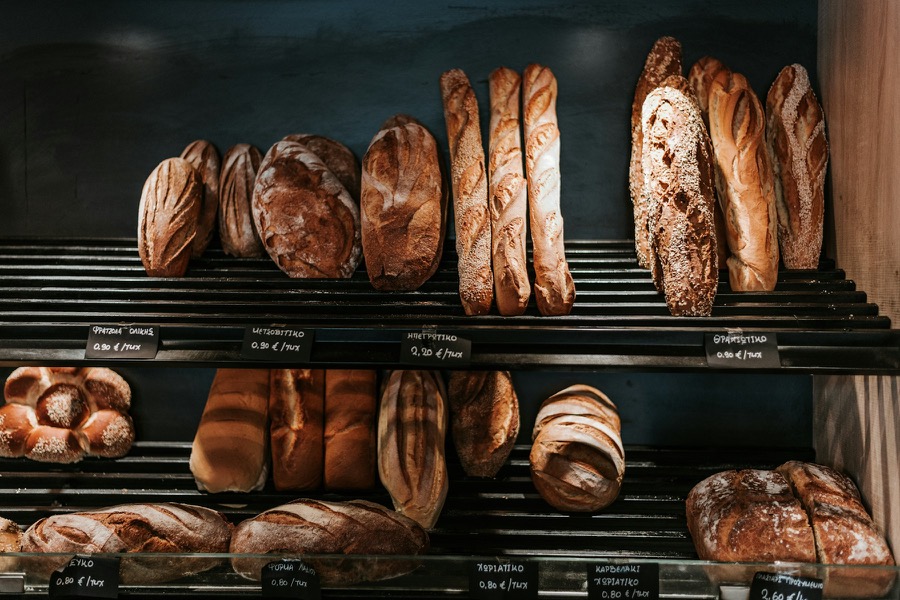
05 / Pack lightly
Bring the small things that turn a stop into lunch
- Insulated toteUseful for cheese, fruit and anything picked up before check in.
- Two cloth napkinsThey work as placemats, padding and an answer to a paper bag in the wind.
- Small knife and boardKeep them packed safely and out of reach while driving.
- Refillable waterSave the interesting drinks for the places that make or pour them.
- An empty half hourThe most useful thing to carry is time you have not assigned yet.